
GuLP: Building AAC That Leaps Forward
GuLP is an Augmentative and Alternative Communication (AAC) app for iPad, built for Gestalt Language Processors. I'm a co-founder and software engineer at Option Three, the team building it. You can learn more at gulpaac.com.
How It Started
GuLP started with a conversation I overheard. My wife Clarissa and her colleague Haley, both practicing speech-language pathologists (SLPs), were talking about how AAC apps were failing their students. Customizing a device took hours, and most tools didn't match how many kids actually communicate.
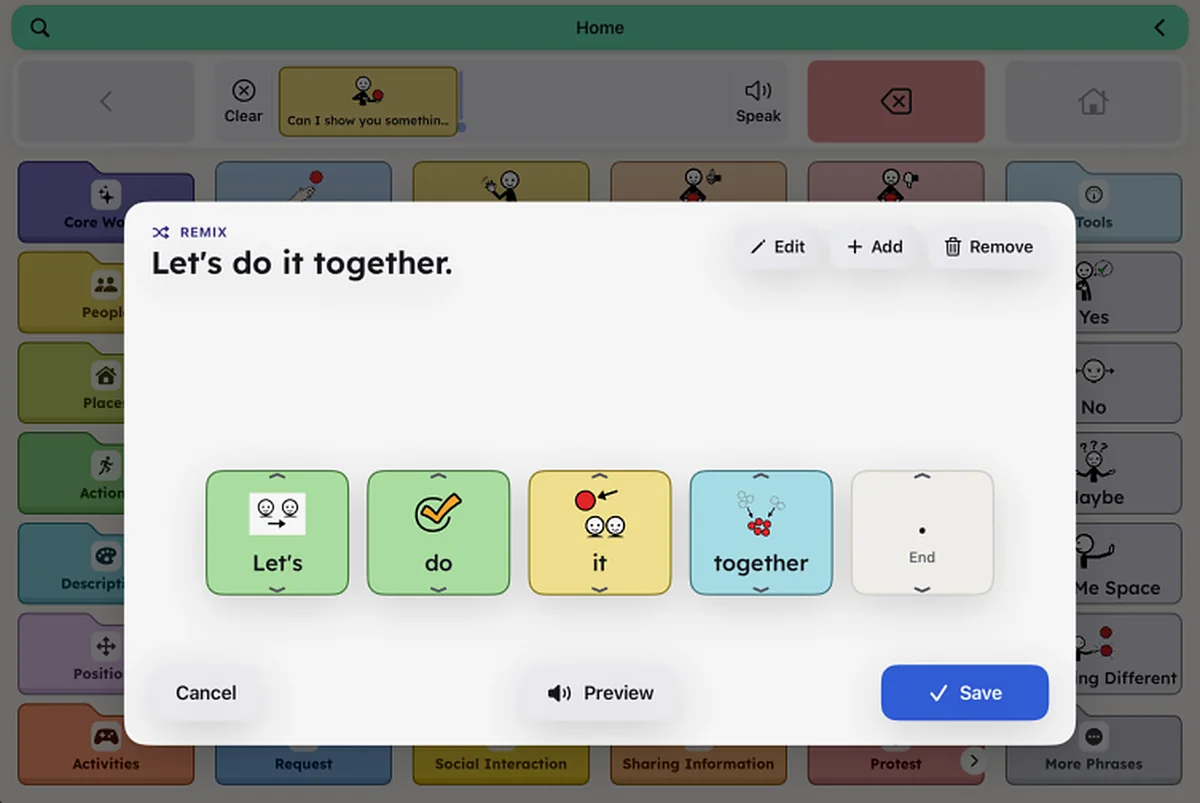
Many children are Gestalt Language Processors: they learn language in whole phrases first ("let's do it together") and break those phrases into single words later. Most AAC apps are built word by word. I took the problem to a group of software engineers at Sacramento State, and we built a phrase-first AAC prototype at a Sac State hackathon. We won, and the team that built that prototype is the team building GuLP today.
What GuLP Does
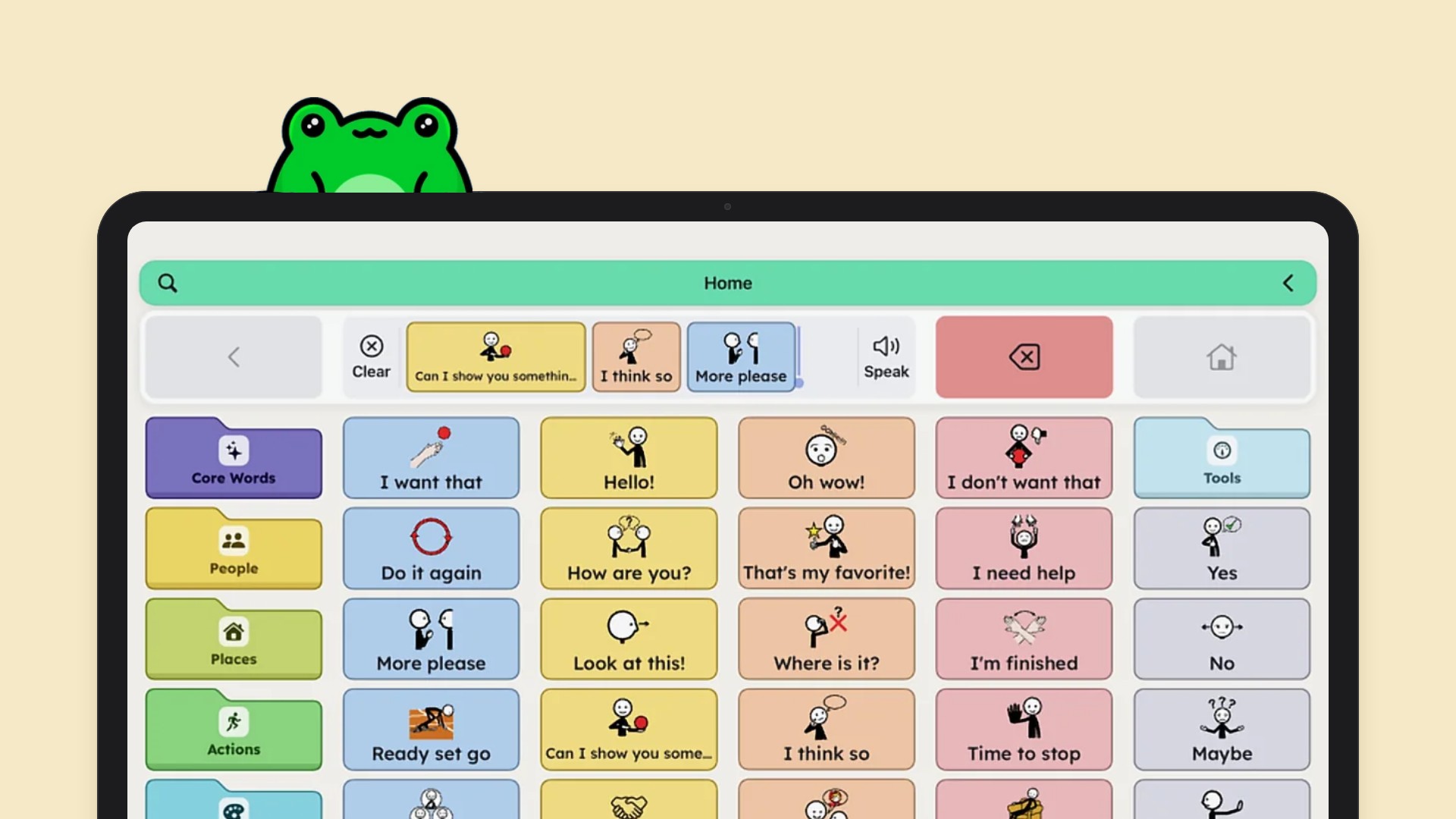
The home board puts whole phrases up front, color-coded by purpose, with core words close by to build from.
- Personalized from day one. A setup questionnaire builds the device around each user's people, routines, and interests.
- Remix. Familiar phrases become starting points for new language.
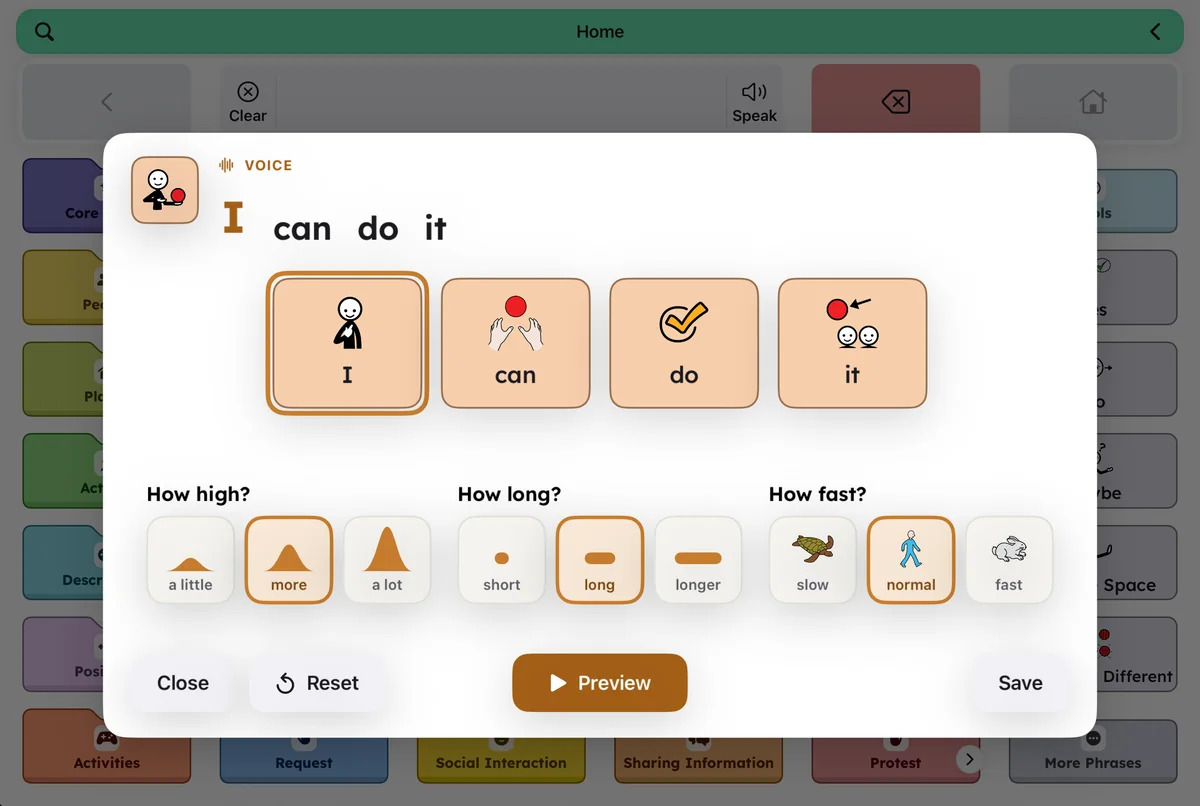
- Say it how you mean it. Rate, pitch, and duration can be adjusted per word.
- Works fully offline.
Tools for SLPs
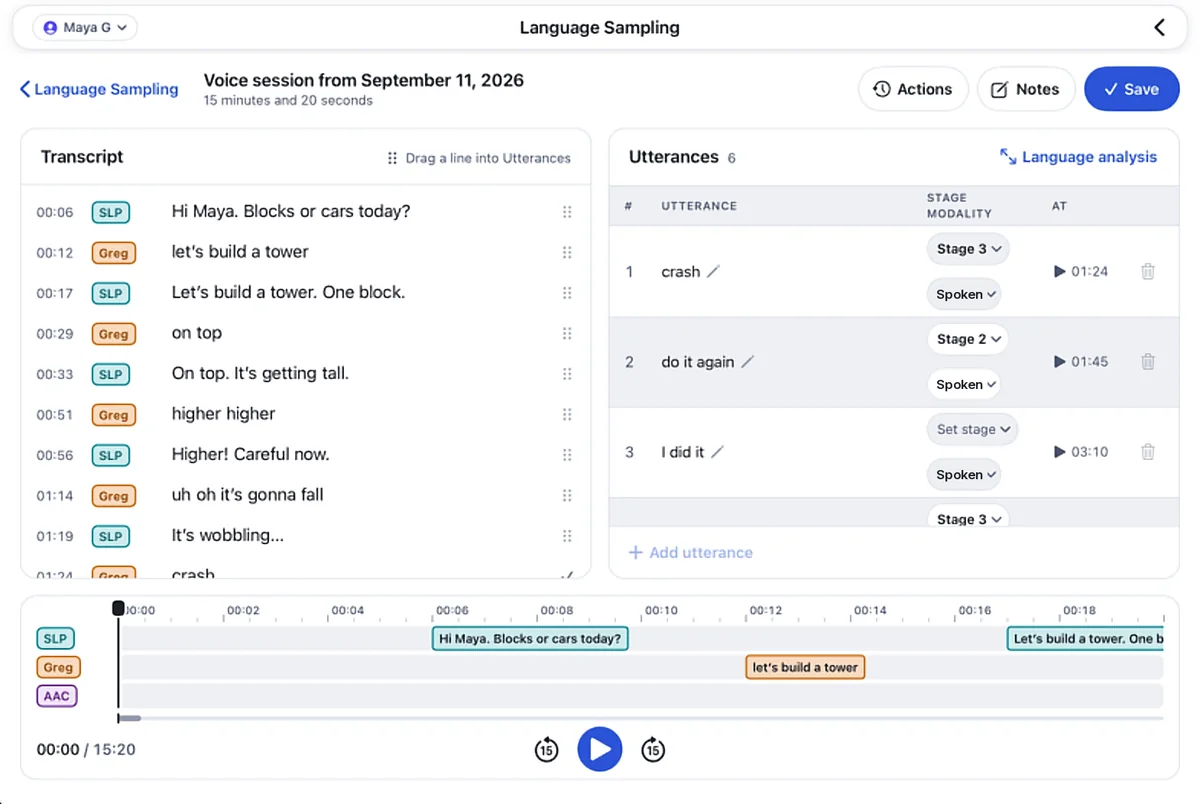
GuLP Pro is for the SLPs and practices that support each communicator. An SLP can upload a session recording, a PDF, or a photo of handwritten notes. GuLP separates the speakers, pulls out the child's language, and lets the SLP review it before it's added to the device. Reports track words, goals, and use over time, and Remote Sync pushes changes straight to the communicator's iPad.
Built With SLPs
SLPs in schools and private practices give us ongoing feedback that shapes every update. Our beta has grown to 60 SLP testers and more than 4,500 hours logged.
What I've Learned
Working on GuLP has taught me that the best software comes from listening. Our clinical co-founders know what their students need, and my job as an engineer is to turn that into something that works every day in a classroom. I'm grateful to build this with such a talented team.